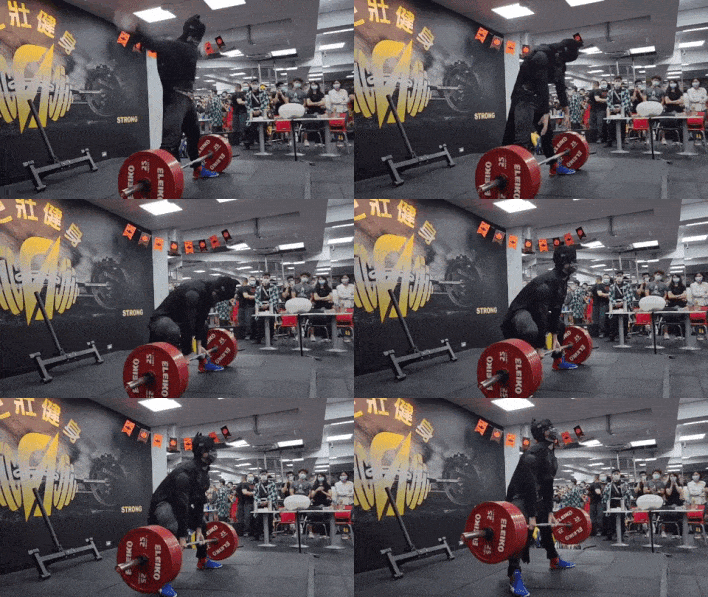
When it comes to lifting more weight and building raw strength, few exercises can match the power of the deadlift.
And when it comes to deadlifting, your choice of deadlift bar can make all the difference.
Enter the deadlift bar – a specialized piece of equipment designed to maximize your performance and unlock new levels of strength.
Today I’ll cover everything you need to know about what makes a deadlift bar different than other barbells and common questions that you may have.
Let’s get started!
Before You Buy Another Piece of Gym Equipment, Score It First.
Run the purchase through two hard stops and eight practical checks for space, training value, budget, overlap, and long-term usefulness.
Key Takeaways
| Topics | Key Takeaways |
|---|---|
| What Is A Deadlift Bar? | A specialized barbell designed for maximizing deadlift performance. It helps in lifting more weight and building raw strength. |
| Do I Need A Deadlift Bar? | Ideal for those focusing on deadlifting, especially in competitive powerlifting. Not necessary for other types of lifters. |
| Key Features | 27mm Shaft, Aggressive Knurling, and High Tensile Strength |
| Benefits | Better Grip, Bigger Lifts, and Great for Sumo Deadlifts |
| Disadvantages | Limited Versatility, Weakens Starting Position, and Not Allowed at All Competitions |
| Exercises | Best used for conventional and sumo deadlifts. |
What Qualifies As A Deadlift Bar?
A deadlift bar is a specialty power bar crafted specifically for deadlifting. Unlike regular barbells, it’s longer and slimmer, giving it a distinctive whip that’s great for heavy lifts.
The aggressive knurling on these bars means your grip is solid, reducing the risk of slipping.
Plus, they’re built tough, designed to handle heavy weights without bending or breaking.
Do I Need A Deadlift Bar?
This depends on your goals and how serious you are about deadlifting. If you’re competing or aiming to really push your deadlift numbers, a deadlift bar can be a great investment.
It’s designed to give you a better grip and more whip, which can help in lifting heavier weights.
But if you’re just lifting for general fitness or you’re not focusing heavily on maximizing your deadlift, a regular barbell might do the trick.
Key Features Of A Deadlift Bar
There are a couple of key features of a deadlift bar.
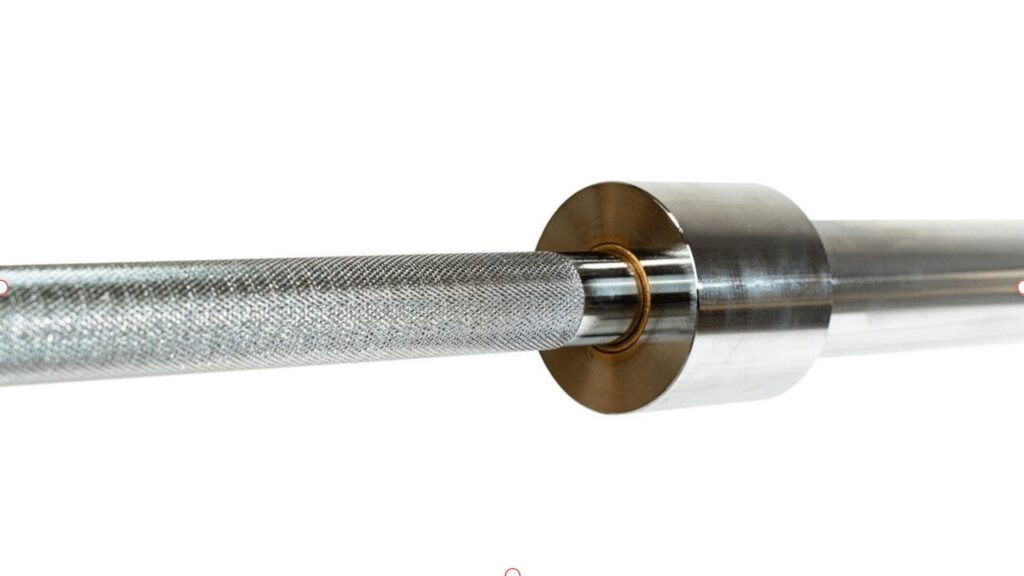
When you’re eyeing one of these bars, there are three things you really need to pay attention to: the 27mm shaft, the aggressive knurling, and the high tensile strength.
27mm Shaft
First up, the 27mm shaft. This is thinner than your standard barbell, and trust me, it makes a difference.
The thinner shaft means you can get a better grip on the bar. This is especially helpful for those with smaller hands, or when you’re trying to hold onto a heavy lift.
Aggressive Knurling
Next, onto the knurling. Deadlift bars are known for their aggressive knurl depth and pattern. This isn’t just for show; it’s all about grip.
The last thing you want when you’re pulling heavy is for the bar to slip. This knurling ensures that your grip stays secure, so you can focus on the lift.
High Tensile Strength
Finally, the high tensile strength. This is a big deal because it determines how much weight the bar can handle without bending or breaking.
A higher tensile strength means the bar can take more weight, which is crucial when you’re looking to push your limits.
Benefits Of Deadlift Bars
When it comes to the benefits of deadlift bars, there are a few key points to consider.
Better Grip
First, they offer a better grip. Thanks to the thinner shaft and aggressive knurling, your hold on the bar is more secure, which is crucial when you’re pulling heavy weights.
Bigger Lifts
Then there’s the aspect of bigger lifts. The design of a deadlift bar, particularly its flexibility, allows for a bit more bend.
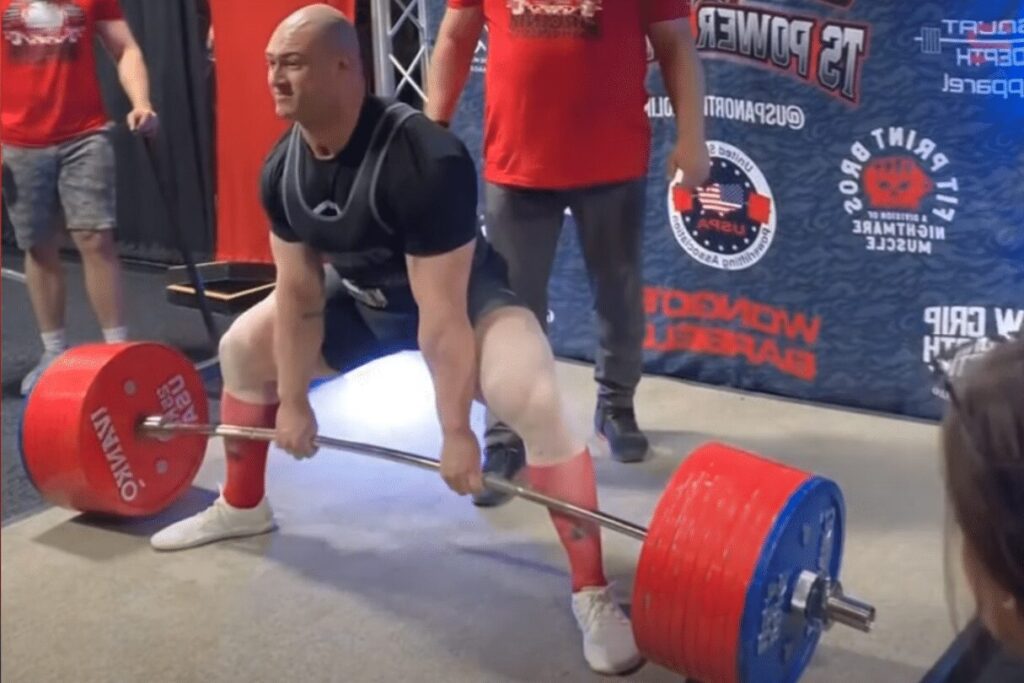
This ‘whip’ effect means it bends more easily under heavy weights. This can be particularly advantageous at the start of your lift, giving you a bit of a ‘boost’ off the ground.
Great for Sumo Deadlifts
Lastly, deadlift bars are great for sumo deadlifts.
The longer length and the whip factor make it easier to pull from a wider stance, which is a common technique in sumo deadlifting.
So, if sumo deadlifts are a part of your routine, a deadlift bar might be especially beneficial for you.
Disadvantages Of Deadlift Bars
While deadlift bars have their perks, they’re not without drawbacks.
Limited Versatility
One major issue is their limited versatility. These bars are specifically designed for deadlifting, so they’re not the best choice for other lifts like squats or bench presses.
Their unique features that benefit deadlifts can actually be a disadvantage for other exercises.
Weakens Starting Position
Another point to consider is how they can weaken your starting position.
The whip of a deadlift bar means it bends more under heavy loads, which can alter your starting position.
This might not be ideal if you’re training for strength in that initial pull from the floor.
Not Allowed at All Competitions
Lastly, deadlift bars aren’t allowed in all competitions. Different powerlifting federations have their own rules about equipment, and some stick to standard bars.
If you train exclusively with a deadlift bar but compete with a standard bar, it could throw off your performance.
So, it’s important to know what equipment is permitted in the competitions you’re targeting.
Types Of Deadlift Bars
When we talk about types of deadlift bars, it’s essential to understand how they differ from other bars like power bars, Olympic bars, and trap bars.
Deadlift Bar vs Power Bar (Stiff Bar)
A deadlift bar versus a power bar, or stiff bar, is a comparison of flexibility. Deadlift bars are more flexible, which helps in creating that whip effect for deadlifting.
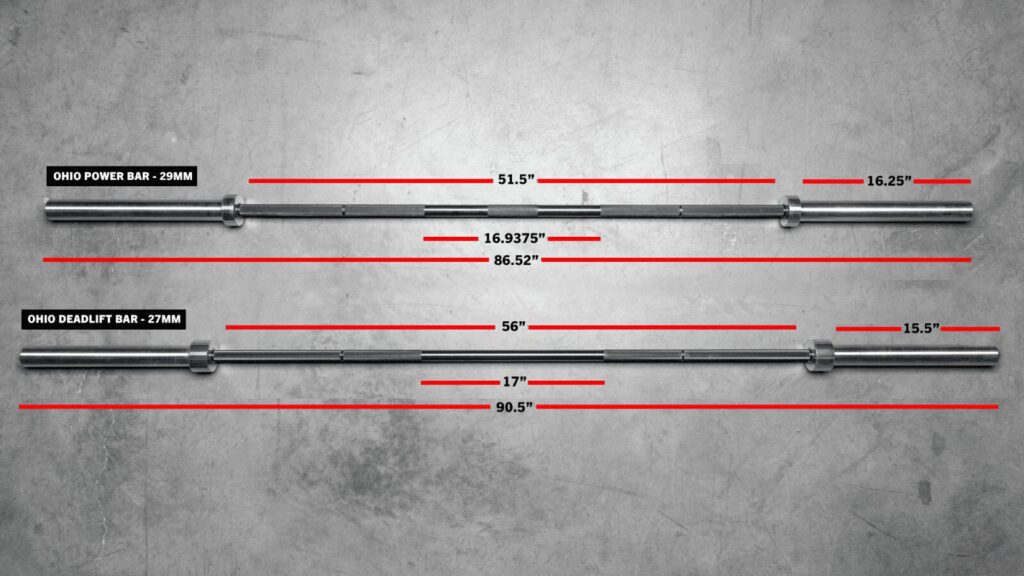
Power bars, on the other hand, are stiffer, making them more suitable for a variety of lifts, including squats and bench presses.
Deadlift Bar vs Olympic Bar
Comparing a deadlift bar to an Olympic bar, the key difference lies in their design and purpose.
Olympic bars are built for Olympic weightlifting, featuring a bit more whip than power bars but less than deadlift bars.
Deadlift Bar vs Trap (Hex) Bar
Lastly, when you look at a deadlift bar versus a trap (hex) bar, the design is the most noticeable difference.
Trap bars have a hexagonal shape allowing you to stand inside them.
This design changes the mechanics of the lift, shifting some emphasis to the quadriceps and allowing for a more upright posture, which is quite different from the traditional deadlift form you’d use with a deadlift bar.
What Exercises Should You Use a Deadlift Bar For?
For a deadlift bar, stick to what it’s made for: conventional and sumo deadlifts.
This bar excels in these exercises due to its whip and grip features, but it’s not designed for other types of lifts.
What Muscles Do Deadlifts Work?
Now, about the muscles worked during deadlifts: this exercise is a powerhouse for muscle engagement.
It primarily targets your posterior chain, which includes the glutes, hamstrings, and lower back.
Your upper back and traps also get a solid workout, stabilizing the load. And let’s not forget the core; it plays a crucial role in maintaining stability throughout the lift.
So, in a nutshell, deadlifts are a full-body workout, hitting multiple major muscle groups effectively.
How To Choose The Right Deadlift Bar
Choosing the right deadlift bar involves considering several factors.
- Budget – Deadlift bars vary in price, and it’s important to find one that offers good value without breaking the bank.
- Load Capacity – Look at the maximum weight the bar can handle. I recommend at least a 1,000 lb weight capacity to cover your bases.
- Whip – This refers to how much the bar bends under weight. Depending on your lifting style, you might prefer more or less whip. However, if you want less, just get a power bar and move on.
- Knurling – Choose a bar with knurling that feels comfortable yet secure in your hands. Something more aggressive is preferable unless your hands can’t take it.
- Finish – The bar’s finish affects both its look and its resistance to corrosion. I highly recommend stainless steel if you can afford it.
- Quality & Durability – Invest in a bar that’s built to last. I’ll recommend a few options in a second.
- Lifting Style – Finally, consider your lifting style. If you’re into competitive lifting or specific deadlift techniques like sumo, make sure the bar suits your style.
By keeping these points in mind, you can find a deadlift bar that suits your needs and helps you progress in your lifting.
Best Deadlift Bars
There aren’t as many deadlift bars on the market as power bars, but luckily that helps you narrow it down easier.
Some are marketed as Deadlift bars but don’t have the features of them such as the 27mm shaft diameter.
The following Deadlift bars are the best of the best but if you want a more comprehensive look, I have a guide for that here.
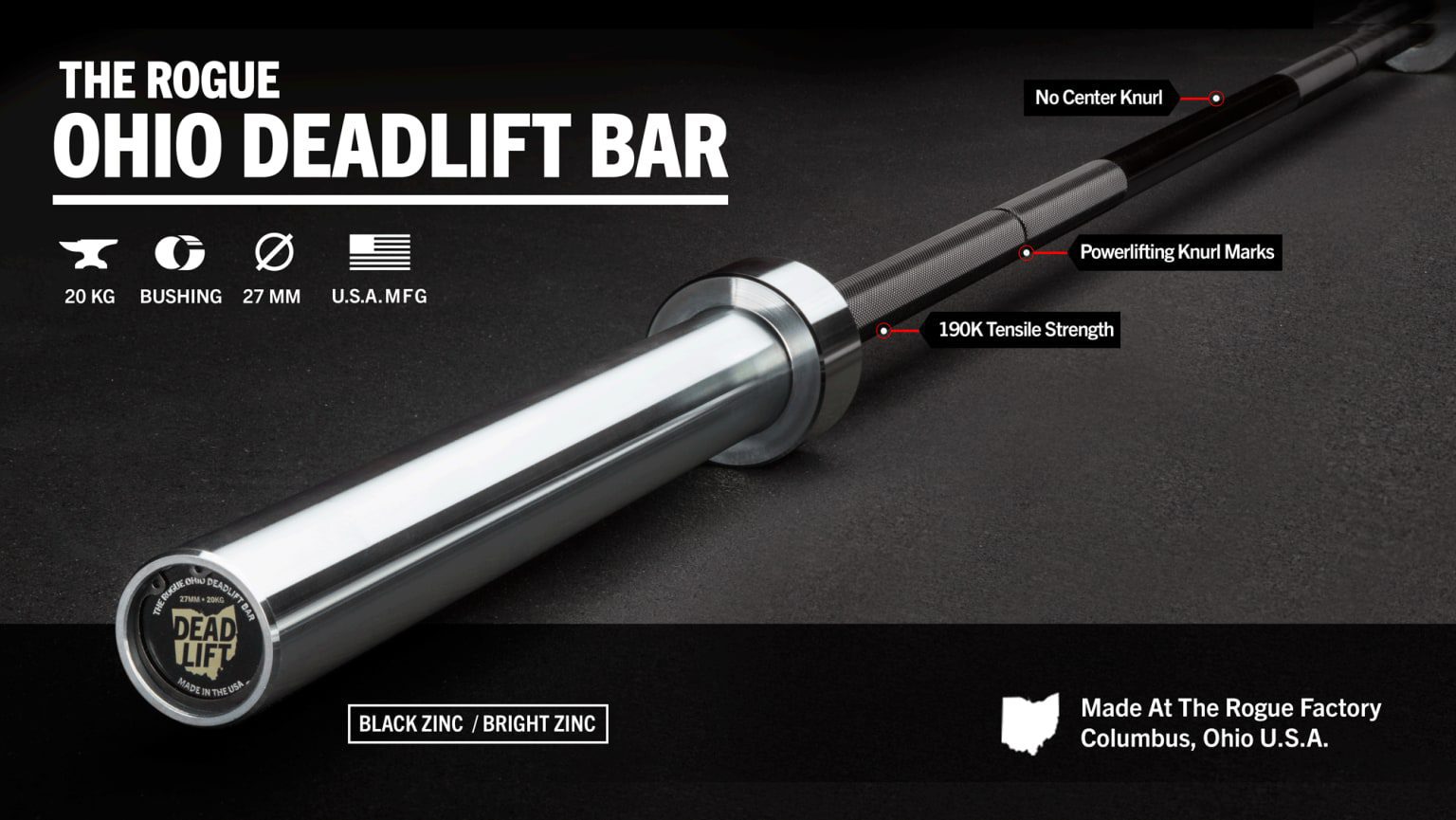
Best Overall – Rogue Ohio Deadlift Bar
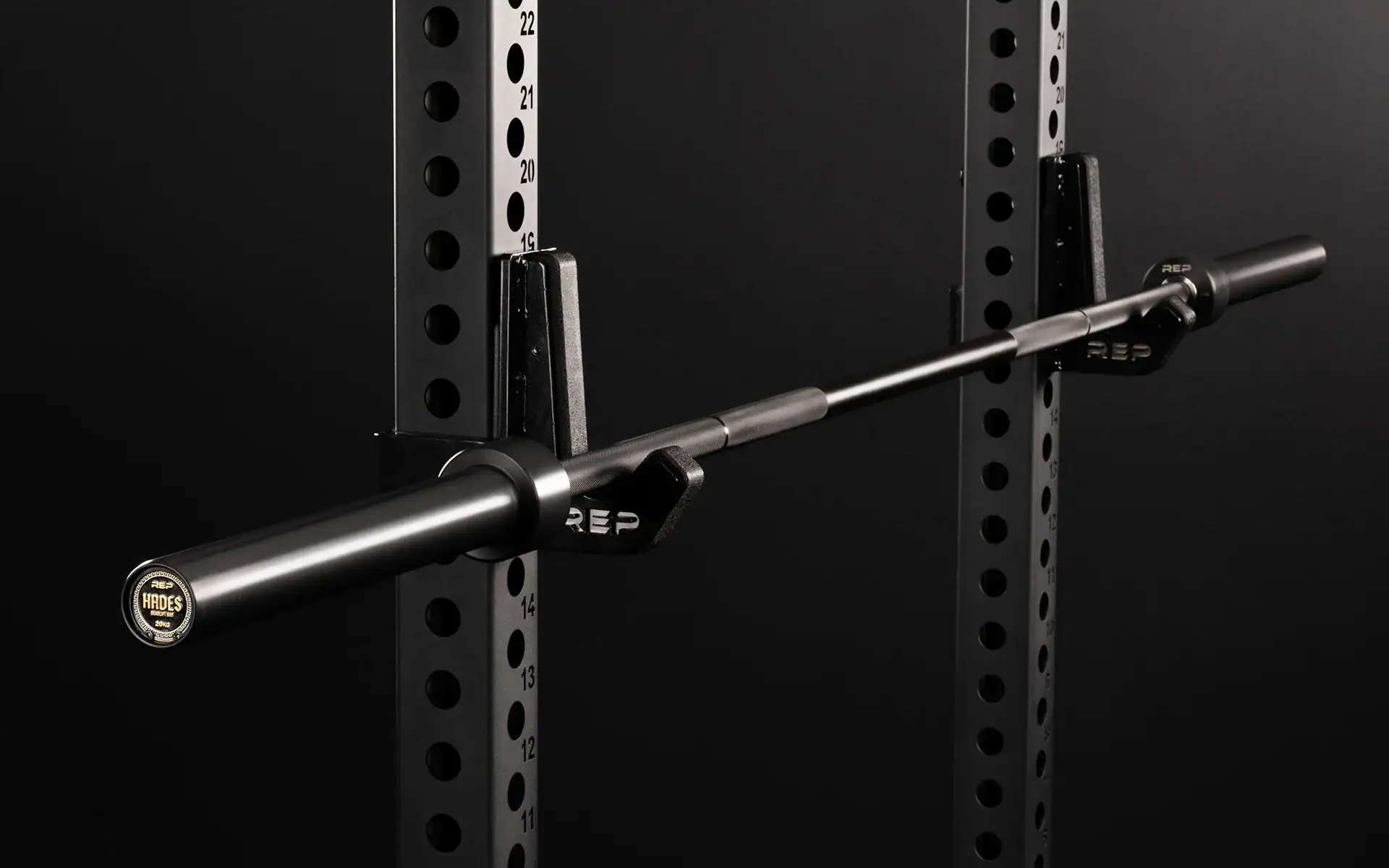
Best For Corrosion Resistance – Rep Hades Deadlift Bar
- Long deadlift-specific design
- Very aggressive knurl for heavy pulls
- 190,000 PSI tensile strength
- Cerakote shaft improves corrosion resistance
- Duracoat sleeves add wear protection
- Limited lifetime warranty
- Very aggressive knurl can be harsh on the hands
- Specialized for deadlifting
- Costs more than a normal multipurpose bar
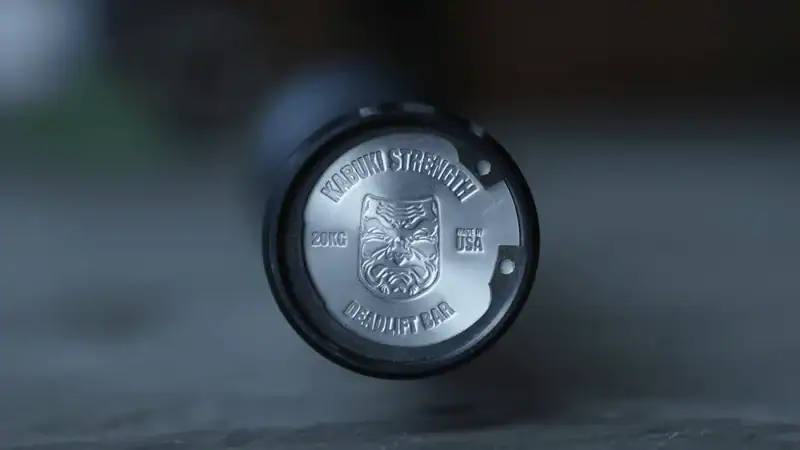
Most Heavy Duty – Kabuki Strength PR Deadlift Bar
- Long deadlift-bar format
- Aggressive knurl for heavy pulls
- 190,000 PSI tensile strength
- 15.5" loadable sleeves
- Premium finish options
- Lifetime warranty against defects
- Premium price
- Aggressive knurl will be too sharp for some lifters
- Very specialized compared with a general-purpose bar
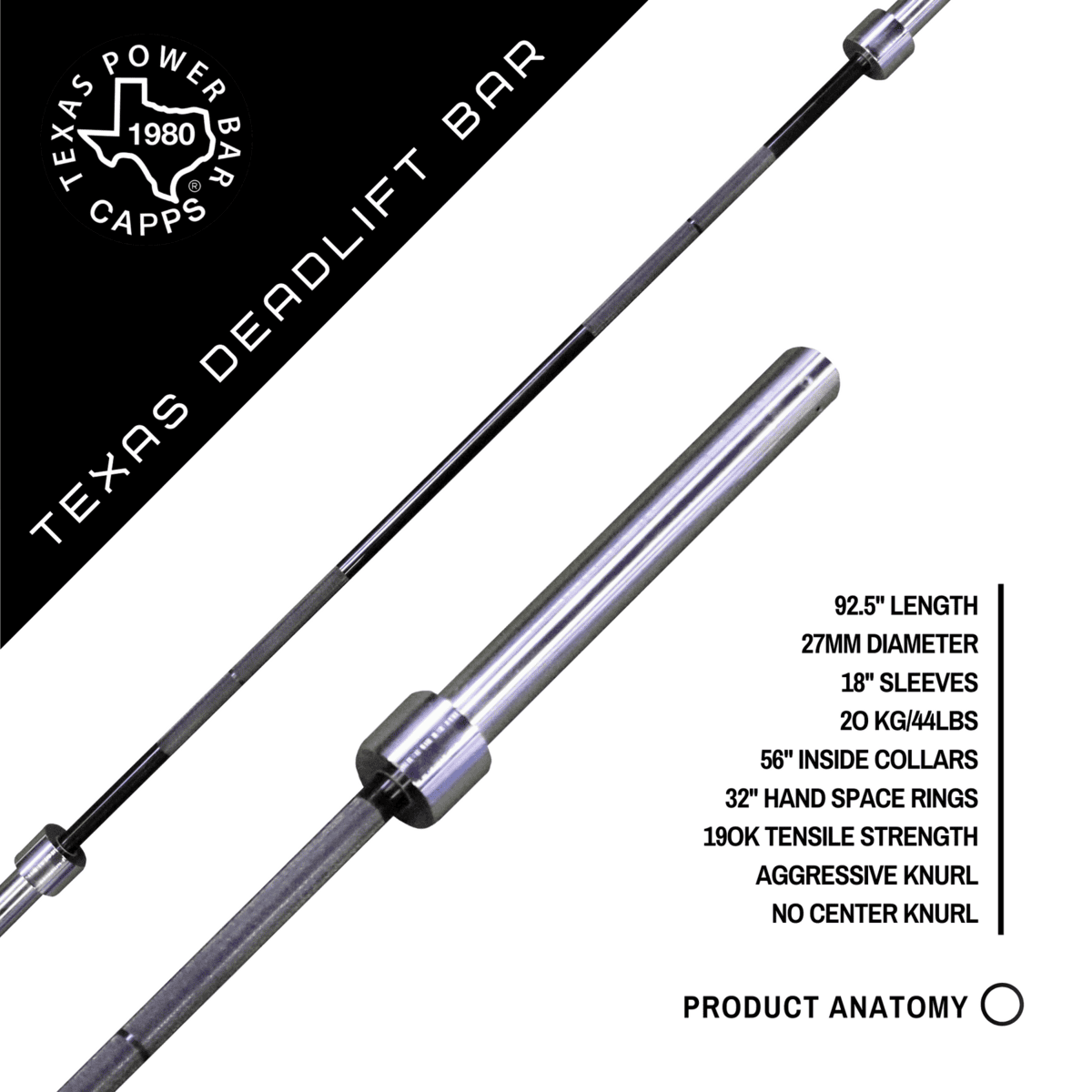
Top Rated – Texas Deadlift Bar
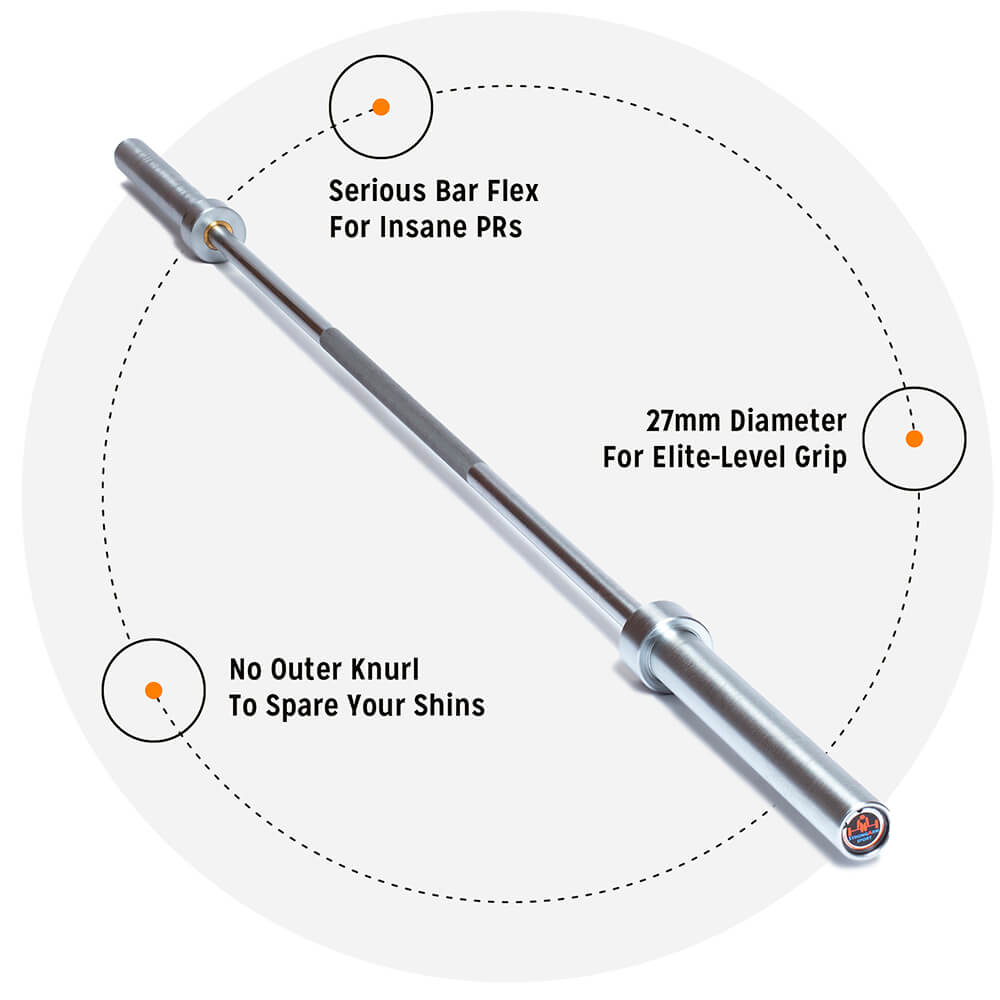
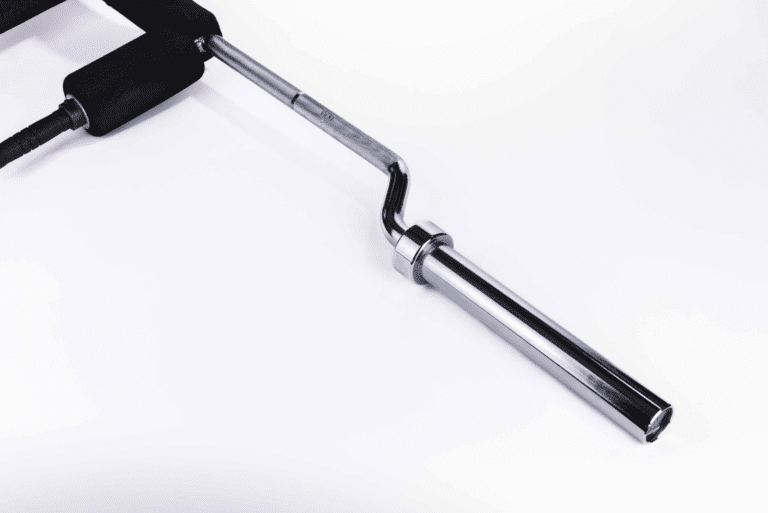
Best Sumo Bar – Strongarm Sumo Deadlift Bar
- Knurl sits where sumo lifters grip
- Smooth outer shaft reduces shin/thigh abrasion
- Purpose-built for sumo technique
- Specialized design can improve comfort during pulls
- Very specialized
- Less useful for conventional deadlifting
- Not a general-purpose bar
Conclusion
Understanding deadlift bars is key for anyone serious about their deadlift training.
These bars offer specific benefits like better grip and more whip, which can be awesome for heavy lifts.
However, they’re not a one-size-fits-all solution. Their specialized nature means they’re not as versatile for other exercises, and they’re not necessary for everyone.
If deadlifting is a major part of your training, especially at a competitive level, investing in a deadlift bar could be a smart move.
Until next time,
-Dante
Buy It, Wait, or Skip It?
Use the same simple scorecard for racks, barbells, benches, dumbbells, machines, attachments, and accessories before they take your money and floor space.
Score My Next Purchase →
0 Comments
Sort by