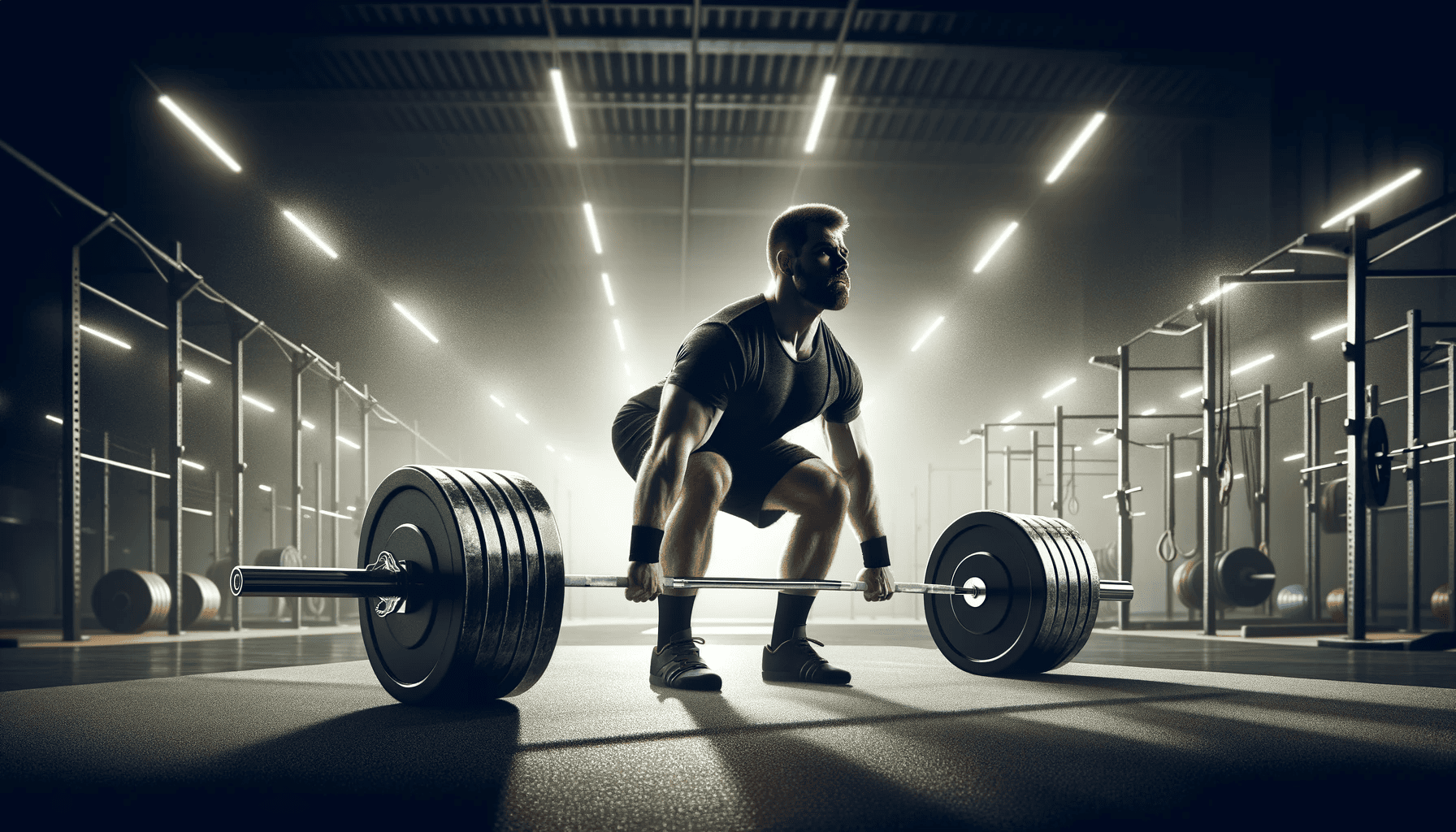
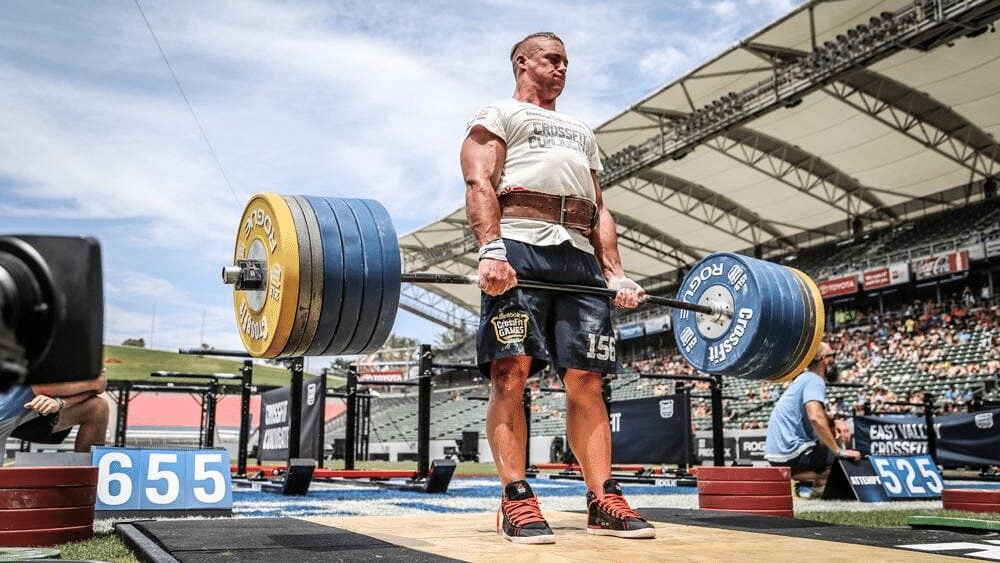
There are five main types of bars worth considering for deadlifts: multipurpose bars, Olympic weightlifting bars, power bars, trap bars, and dedicated deadlift bars.
For most home gym owners, a good multipurpose or power bar is enough. A dedicated deadlift bar makes more sense if you want extra whip and a thinner shaft for heavy pulls, while a trap bar changes the movement by putting the load beside you instead of in front.
Below, I’ll break down what each type does differently and who it actually makes sense for.
Before You Buy Another Piece of Gym Equipment, Score It First.
Run the purchase through two hard stops and eight practical checks for space, training value, budget, overlap, and long-term usefulness.
Key Takeaways
| Bar Type | Best For | Not Ideal For | Key Features |
|---|---|---|---|
| Multipurpose Barbell | General strength training, beginners | Focused deadlift training | Versatile, thinner shaft, moderate whip |
| Olympic Weightlifting Barbell | Variety in training including deadlifts, Olympic lifts | Primary focus on deadlifting | More whip, smoother rotation |
| Power Bar | Powerlifters, heavy deadlifts | Beginners, dynamic lifts | Stiff, aggressive knurling, minimal whip |
| Trap Bar | Pulling heavy weights, back issues | Competitive deadlifting | Neutral grip, ergonomic, versatile |
| Deadlift Bar | Experienced deadlifters, competitive lifting | Beginners, versatile training | Longer length, thinner shaft, high whip |
Why Are Deadlift Bars More Flexible?
Deadlift bars are designed with more flexibility compared to standard bars, and there’s a good reason for this.
This flexibility, often referred to as the ‘whip’ of the bar, allows the bar to bend slightly under heavy weights. This bending action can be particularly beneficial during heavy lifts. It gives you a slight mechanical advantage at the start of the lift, allowing for a smoother initial pull.
This design can make a noticeable difference in your deadlifting performance, especially when lifting heavier weights. It’s a subtle yet significant feature that enhances the deadlifting experience.
What Are The Different Types Of Deadlift Bars?
In this section, we’re going to look at the various types of deadlift bars. Each has its unique features, designed for different lifting styles. It’s important to know these differences to choose the right bar for your training needs.
Multipurpose Barbell
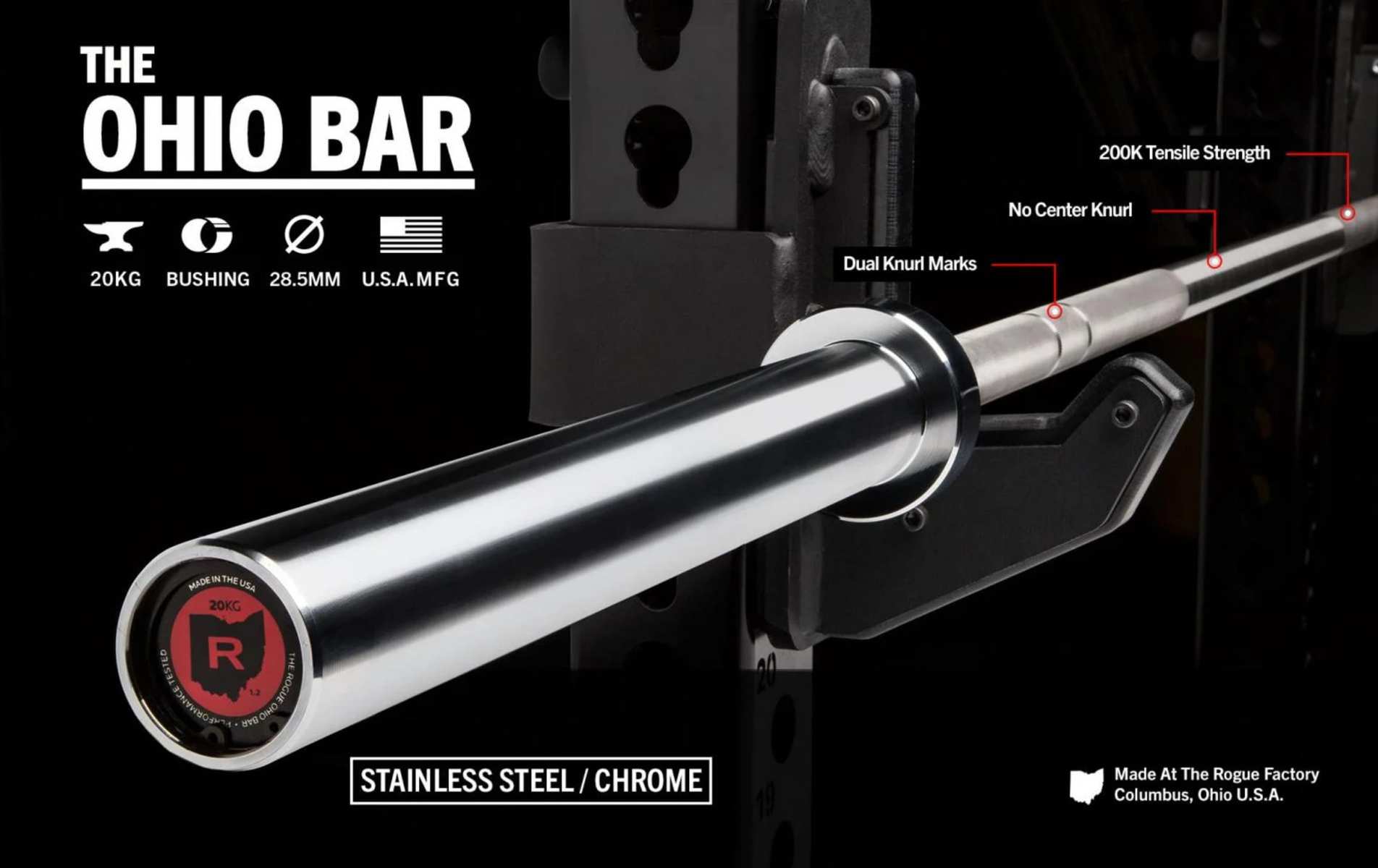
The Multipurpose Barbell is a versatile option for deadlifting. It’s designed to handle a variety of lifts, making it a practical choice for a home gym or general strength training.
While it may not have the specialized features of a dedicated deadlift bar, its flexibility makes it suitable for those who want a single bar for multiple exercises.
If you’re looking for an all-in-one solution for your lifting needs, including deadlifts, the Multipurpose Barbell is a solid choice.
Who Should Use This Bar
The Multipurpose Barbell is a solid choice for lifters who aren’t solely focused on deadlifting but want to incorporate it into a broader workout routine.
It’s especially useful for beginners who are building foundational strength across various exercises. This barbell suits home gym owners too, who might be looking for a single, versatile bar for different types of lifts.
So, if deadlifting is part of your training but not the only focus, or if you’re starting out and exploring different strength exercises, this bar could be just what you need.
Who Shouldn’t Use This Bar
The Multipurpose Barbell might not be the best fit for lifters who are deeply focused on deadlifting, particularly those training for competitions.
Advanced lifters or those who prioritize deadlifting in their routine might find this bar lacking in the specialized features that dedicated deadlift bars offer.
Essentially, if deadlifting is your primary focus and you’re aiming to maximize performance and results specifically in this lift, you’d be better served by a bar designed solely for deadlifting.
- Bar Length – 86.75″~
- Loadable Sleeve Length – 16.4″~
- Diameter
- Men’s – 28.5mm
- Women’s – 25mm
- Bar Weight
- Men’s – 20kg
- Women’s – 15kg
- Tensile Strength – 190k+
- Rotation System – Bushings
- Knurl Type – Mild/Medium
- Center Knurl – Varies (Some models have it, others don’t)
- Knurl Marks – Dual
- Whip – Moderate
Best Men’s Multipurpose Bar
Best Women’s Multipurpose Bar
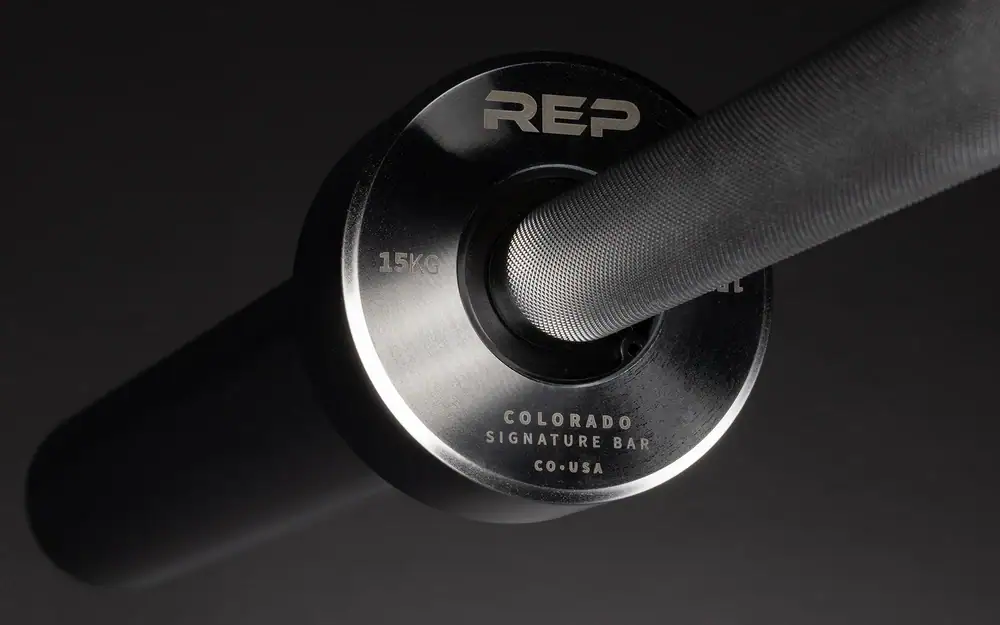
Olympic Weightlifting Barbell
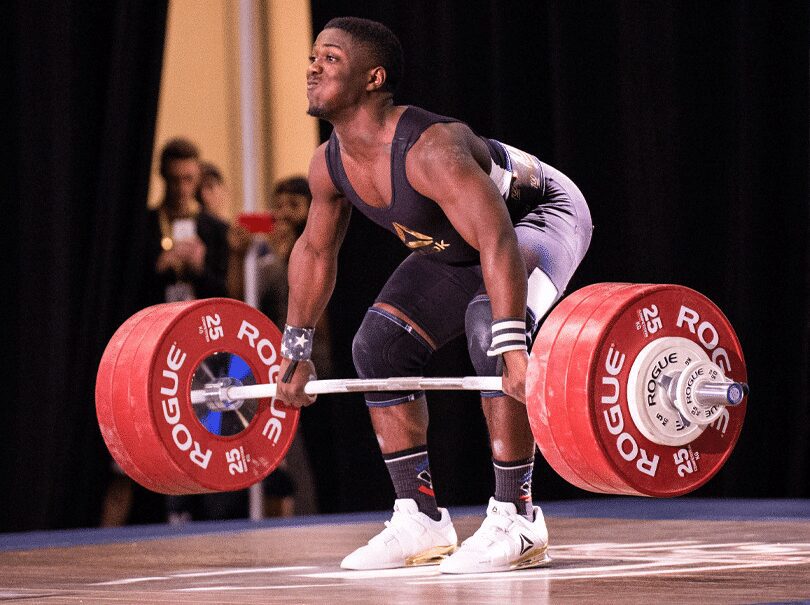
The Olympic Weightlifting Barbell is primarily designed for Olympic lifts like the snatch and clean and jerk. Its features, such as a more pronounced whip and smoother rotation from the bearings, cater to the dynamic and explosive nature of these lifts.
When it comes to deadlifting, this barbell can be used, but it’s not the optimal choice. Deadlift bars are thinner than men’s Olympic weightlifting bars so in theory they should be similar in the amount of whip they have.
Women’s Olympic bars, at 25mm, will have whip closer to that of deadlift bars. This can make them a potentially suitable alternative for deadlifts, especially for those who prefer a thinner grip or a slightly more flexible bar.
However, they are still primarily designed for Olympic lifts, so the whip might still be more than what is ideal for deadlifting.
Who Should Use This Bar
The Olympic Weightlifting Barbell is a good choice for lifters who incorporate a variety of lifting styles in their training, including deadlifts. It suits those who value a bar with more flex and a smoother spin, which can be beneficial for dynamic lifts.
While it’s not the primary choice for dedicated deadlift-focused lifters, it’s suitable for those who practice Olympic lifts and want to include deadlifts without switching bars.
This bar can also appeal to athletes who prefer a lighter grip and a moderate amount of whip in their deadlifting.
Who Shouldn’t Use This Bar
The Olympic Weightlifting Barbell may not be the best choice for lifters whose primary focus is deadlifting, especially for those who train for powerlifting competitions. Its whip and flexibility, while beneficial for Olympic lifts, can be a disadvantage for heavy deadlifts where stability is key.
Also, lifters who prefer a bar with less flex and a more secure grip during deadlifts might find this bar less suitable. It’s less ideal for those who need a bar that supports maximum weight loading with minimal flex.
- Bar Length – 86.6”~
- Loadable Sleeve Length – 16.30”~
- Diameter
- Men’s – 28mm
- Women’s – 25mm
- Bar Weight
- Men’s – 20kg, 44 lbs
- Women’s – 15kg, 33 lbs
- Tensile Strength – 190k+ PSI
- Rotation System – Bearings mostly, some training bars have bushings
- Knurl Type – Aggressive, Medium
- Center Knurl – Some do and some don’t
- Knurl Marks – IWF
- Whip – High
Best Men’s Olympic Bar
Best Women’s Bar Olympic Bar
Power Bar
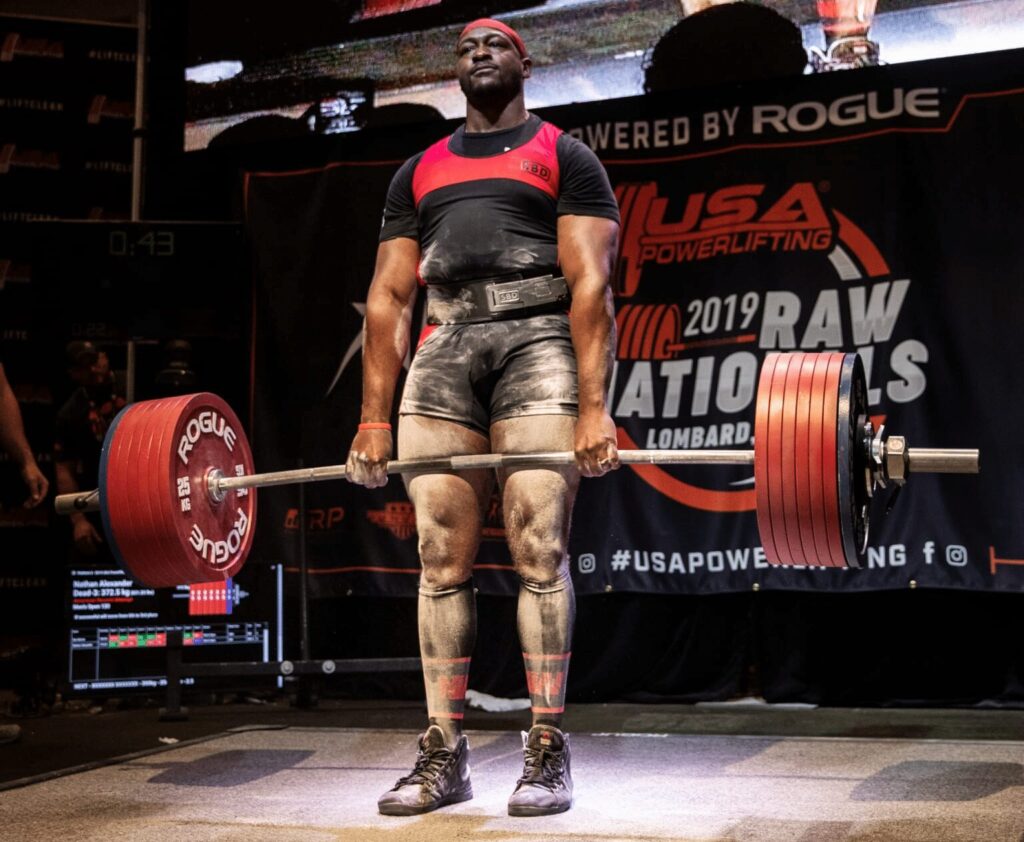
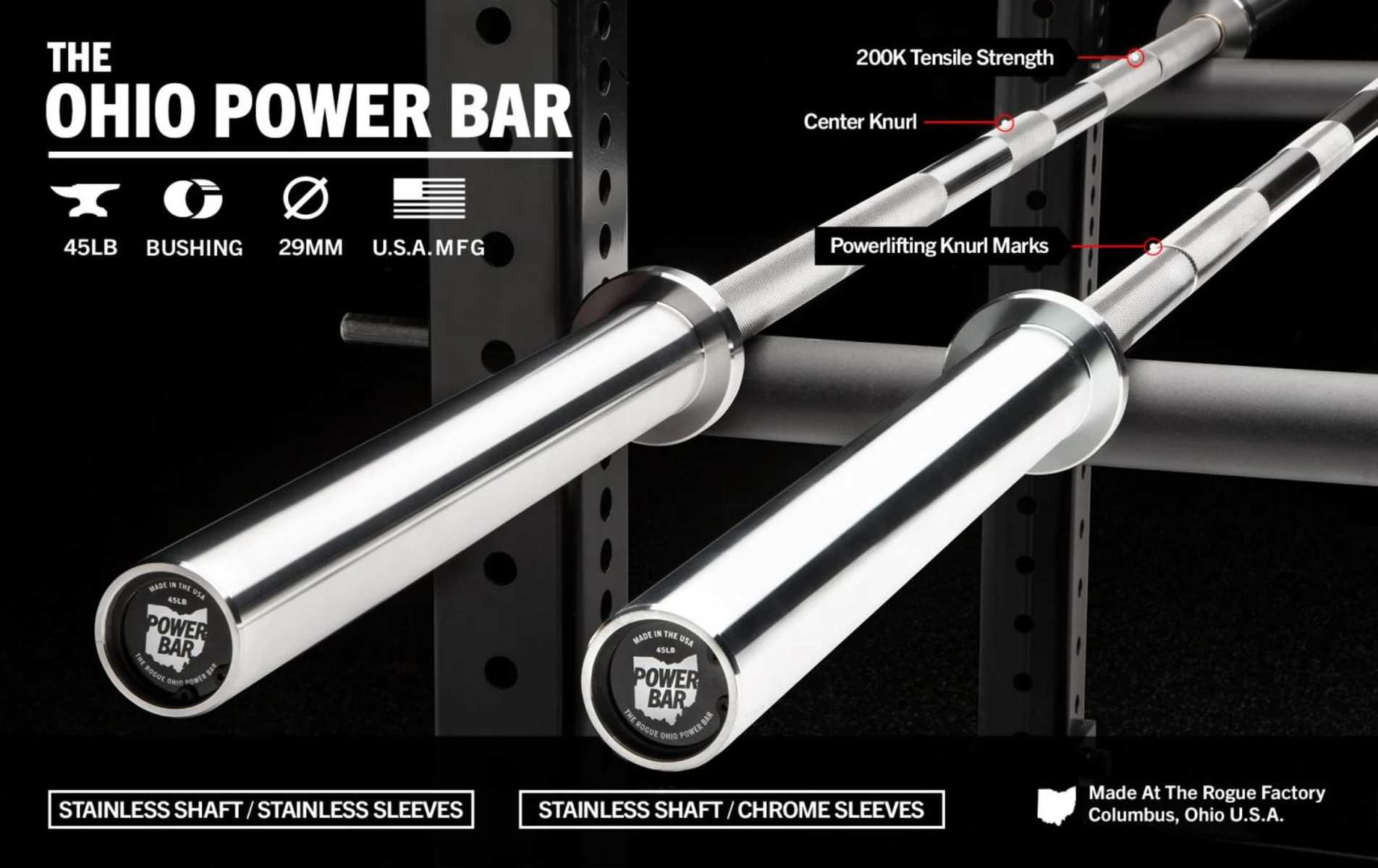
The Power Bar is primarily designed for powerlifting, including squats, bench presses, and deadlifts. Its stiffer design minimizes whip, making it stable and suitable for heavy lifts.
When used for deadlifting, the Power Bar’s stiff nature allows for a consistent pull without the bar flexing too much. This can be particularly beneficial for lifters focusing on building strength and perfecting their deadlift technique.
Its aggressive knurling also provides a secure grip, which is essential for heavy deadlifting. It’s by far the most reliable choice for powerlifters and those who prioritize heavy, stable lifts in their training.
Who Should Use This Bar
The Power Bar is ideal for powerlifters and serious lifters who focus on deadlifting as a key part of their training. Its stiffness and more aggressive knurling make it suitable for those who need a stable and secure grip for heavy lifting.
This bar is also a good choice for those who prefer minimal whip in their deadlifts, offering a consistent and straightforward lift from the floor. It’s well-suited for lifters who train with heavy weights and seek to improve their deadlift technique and strength.
Who Shouldn’t Use This Bar
The Power Bar might not be the best choice for lifters who are new to deadlifting or those who prefer a bar with more flex. Its stiff nature and aggressive knurling, while great for heavy and technical lifts, can be challenging for beginners or those with sensitive hands.
Additionally, if you’re focusing on dynamic lifts or Olympic-style lifting, the characteristics of the Power Bar may not align with your training needs. It’s also less ideal for those who prefer a bar that aids in the initial lift off the ground due to its minimal whip.
- Bar Length – 86.52″
- Loadable Sleeve Length – 16.25″
- Diameter – 29mm
- Bar Weight – 45 lbs, 20kg
- Tensile Strength – 200k+
- Rotation System – Bushings
- Knurl Type – Aggressive/Very Aggressive
- Center Knurl – Yes
- Knurl Marks – IPF
- Whip – Low
Best Power Bar
Trap Bar
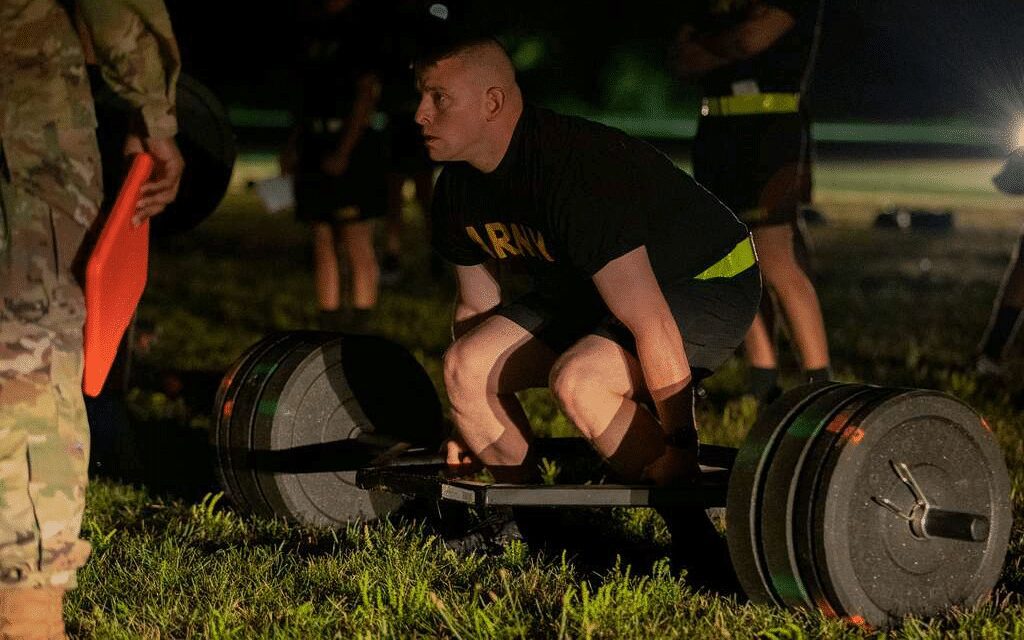
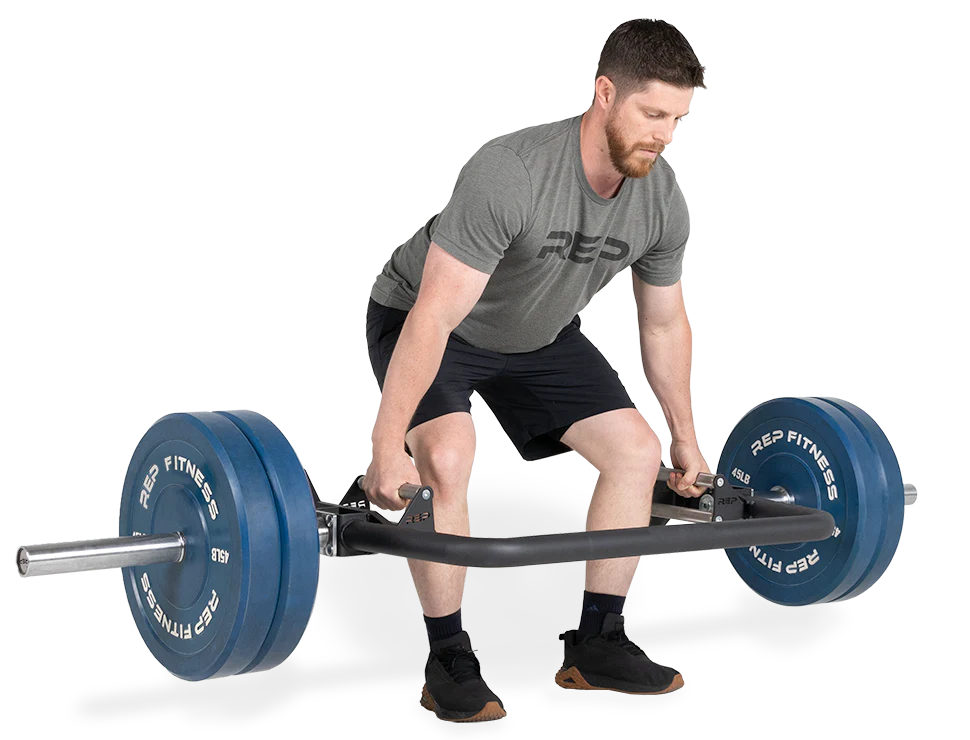
The Trap Bar, also known as a hex bar, is primarily used for deadlifts and offers a unique alternative to the traditional straight barbell.
Its design allows you to stand inside the bar, creating a more neutral spine and hand position. This can reduce stress on the lower back and engage different muscle groups compared to conventional deadlifts.
The Trap Bar is particularly beneficial for those who are new to deadlifting or have mobility limitations. It’s a versatile tool, often preferred for its ability to provide a more upright lifting position.
Who Should Use This Bar
The Trap Bar is ideal for those who want to focus on pulling heavy weights from the floor, especially if they have back issues. Its design allows for a more upright position, reducing lower back strain. It’s also great for lifters looking for a comfortable grip and those new to deadlifting, as it offers a more intuitive and ergonomic lifting experience.
Who Shouldn’t Use This Bar
The Trap Bar might not be suitable for competitive lifters, as it’s not used in standard deadlift competitions. Additionally, lifters who are accustomed to or prefer the traditional deadlift form with a straight bar may find the Trap Bar less beneficial for their specific training goals.
Specs
Trap Bars vary so much in construction and there aren’t any real guidelines they’re bound by like other Olympic or Power Bars. In general, though, they weigh more than 45 lbs, most don’t have Olympic-sized sleeves so specialty collars are necessary, and that’s about all the general specs you can find.
Best Trap Bar
Deadlift Bar
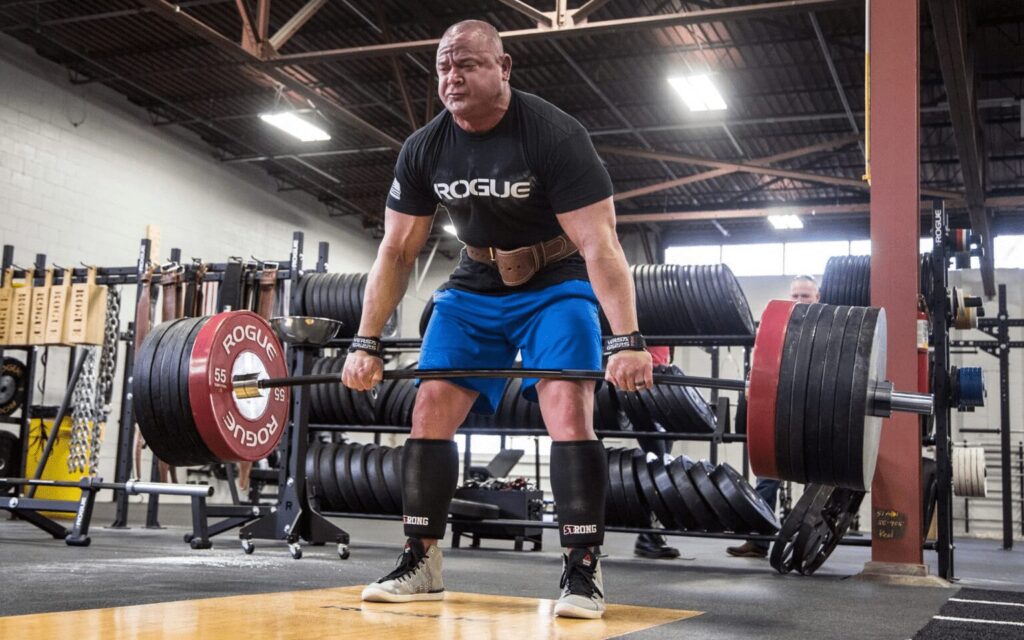
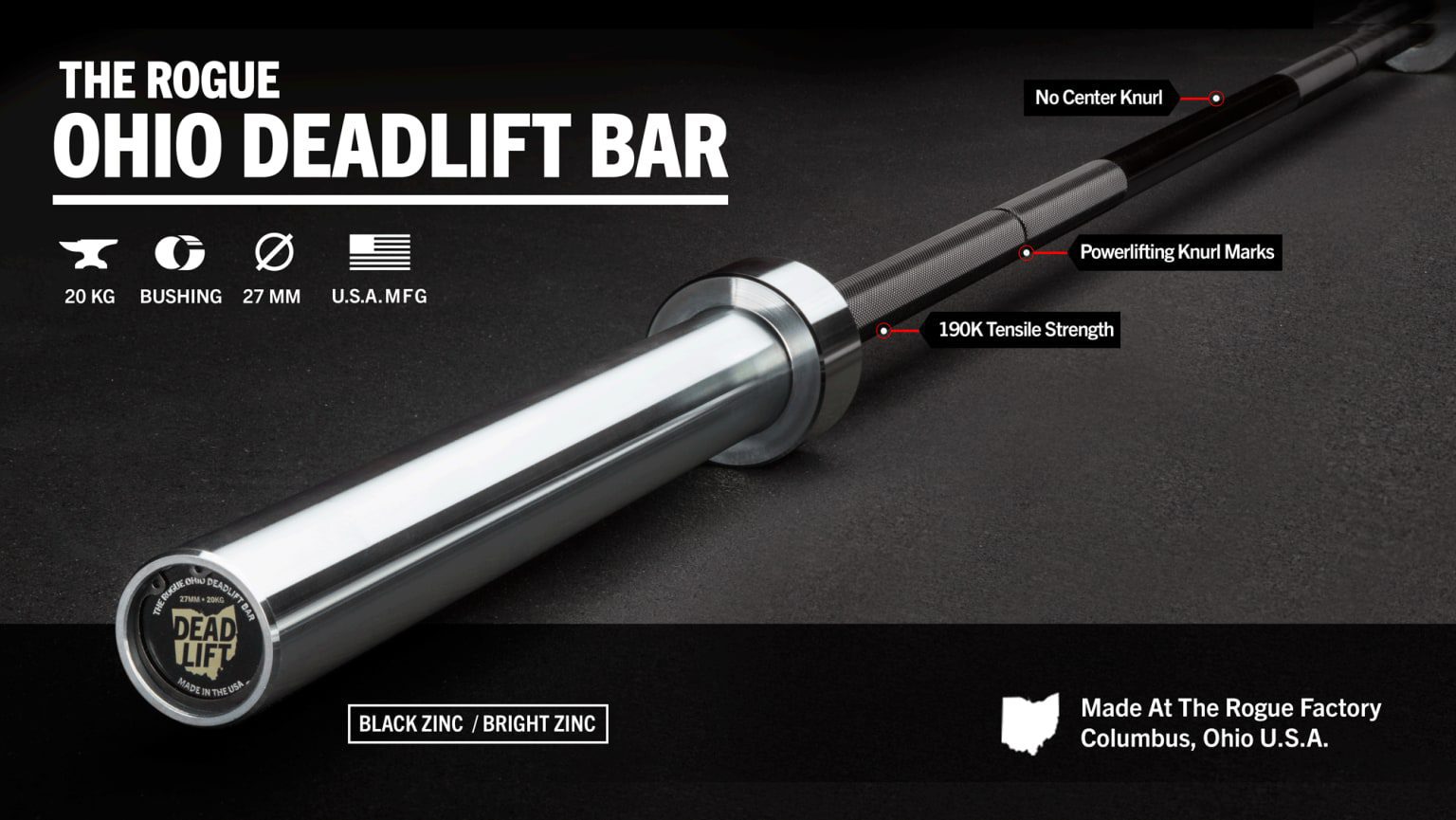
The Deadlift Bar, specifically designed for deadlifting, features a longer overall length and a thinner 27mm shaft. This design results in more whip, which can be advantageous in building momentum for the lift. The increased whip and thinner shaft help in achieving a better starting position and can be particularly beneficial for experienced deadlifters looking to maximize their performance. This specialty bar is tailored for those who want to focus on improving their deadlift with equipment that complements the specific demands of this lift.
Who Should Use This Bar
The specialty Deadlift Bar is best suited for experienced lifters who are focusing primarily on deadlifting. It’s ideal for those looking to take advantage of the bar’s whip and grip features to enhance their performance, especially in a competitive setting. This bar is tailored for lifters who want a dedicated tool to improve their deadlift technique and results.
Who Shouldn’t Use This Bar
This bar might not be the best choice for beginners or those who are looking for a more versatile barbell for various types of lifts. Its specialization in deadlifting means it’s less practical for other lifts, and the cost might be prohibitive for those not specifically focusing on deadlifts.
- Bar Length – 90.50”-95.25”
- Loadable Sleeve Length – 14.5”-18”
- Diameter – 27mm
- Bar Weight – 20kg (44 lbs)
- Tensile Strength – 165k-190k PSI
- Rotation System – Bushings
- Knurl Type – Aggressive
- Center Knurl – None
- Knurl Marks – IPF
- Whip – High
Best Deadlift Bar
Conclusion
Choosing the right deadlift bar depends on your specific training needs and goals. Whether you’re a beginner, a general strength enthusiast, or a competitive powerlifter, there’s a bar out there for you.
The key is to match the bar’s features – whip, grip, and versatility – with your lifting style. Remember, while specialized bars like the Deadlift Bar offer specific advantages, more versatile options like the Multipurpose Barbell cater to a wider range of exercises.
Make your choice based on what fits best with your training focus and how you want to progress in your lifting journey.
Until next time,
-Dante
Buy It, Wait, or Skip It?
Use the same simple scorecard for racks, barbells, benches, dumbbells, machines, attachments, and accessories before they take your money and floor space.
Score My Next Purchase →
0 Comments
Sort by